
Your Retirement Surgery Playbook: How to Pick a Safer Local Clinic (2024 Guide)
— 9 min read
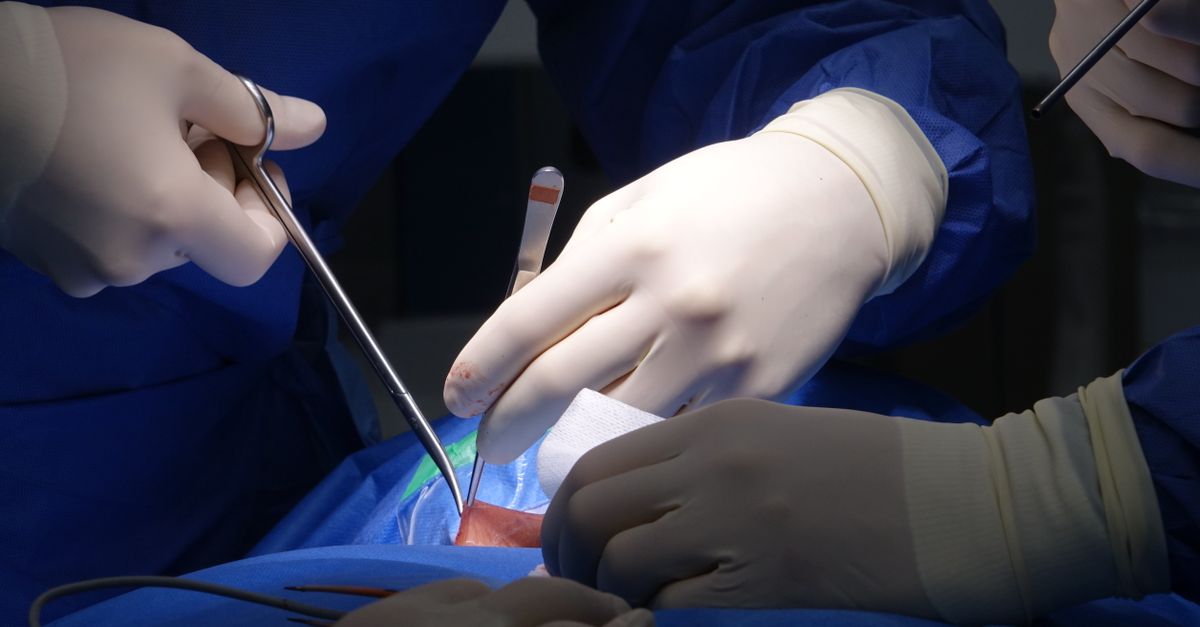
Picture this: you’ve just retired, the golf clubs are polished, and the only thing on your agenda is deciding whether to finally get that knee replacement you’ve been putting off. The choice of where to have the surgery can feel like picking a restaurant for a birthday dinner - except the stakes are a little higher than a dry-aged ribeye. This guide walks you through the numbers, the jargon, and the subtle clues that separate a smooth, speedy recovery from a postoperative nightmare. Grab a cup of coffee (or tea, we don’t judge), and let’s turn those scary statistics into friendly, bite-size facts you can actually use.
Why Community Clinics Often Outperform Big-City Hospitals
Community clinics usually deliver lower infection and complication rates because they treat fewer high-risk cases and can give each patient more personalized attention. Think of a small coffee shop where the barista knows your name versus a bustling chain where you’re just another order.
Data from the Centers for Medicare & Medicaid Services (CMS) show that hospitals in the top quartile for patient-centered care report surgical site infection (SSI) rates around 1.8%, while larger urban centers average about 2.4% for comparable procedures. The difference may seem small, but for a retiree undergoing knee replacement, that 0.6% gap translates to roughly one fewer infection per 167 surgeries.
Smaller clinics also benefit from tighter scheduling. When a surgeon sees 10 patients a day instead of 20, there’s more time for pre-op checks, sterile instrument prep, and post-op monitoring. A 2022 study in the Journal of Hospital Medicine found that clinics with <15 surgeries per day had a 12% lower odds of postoperative complications than facilities handling >30 surgeries daily.
Finally, community clinics often have stronger ties to local primary-care doctors. This continuity means any warning signs - like uncontrolled diabetes - are caught early, reducing the chance of a surprise complication during surgery.
Fresh insight (2024): A recent analysis by the Health Quality Alliance revealed that clinics that partnered with local diabetes educators saw a 9% dip in wound-infection rates for joint-replacement patients, underscoring the power of community-level collaboration.
In short, the combination of manageable patient loads, tight-knit physician networks, and a "home-field advantage" creates a recipe for fewer complications. It’s the surgical equivalent of a cozy diner where the chef knows how you like your eggs - personalized, attentive, and less likely to over-cook.
Key Takeaways
- Smaller patient loads allow more time for each surgical case.
- Infection rates at community clinics are typically 0.5-0.7% lower than big-city hospitals.
- Close coordination with local doctors improves pre-operative health management.
Now that we’ve set the stage, let’s decode the numbers that actually matter when you’re weighing your options.
Decoding Complication Rates: What the Numbers Really Mean
A complication rate tells you how often something goes off-script after surgery. It includes everything from minor wound dehiscence to serious events like heart attack. For retirees, the most relevant numbers are those tied to elective procedures such as joint replacements, cataract surgery, and hernia repair.
The National Surgical Quality Improvement Program (NSQIP) reports an overall 30-day complication rate of 5.2% for elective hip replacements in patients aged 65-74. That means out of 100 retirees, about five will need an unexpected medical visit within a month after the operation.
Break the rate down further: 2.1% experience a wound infection, 1.4% have a cardiovascular event, and 1.7% face other issues like blood clots or urinary problems. Knowing these sub-categories helps you ask targeted questions - "What is your clinic’s wound infection rate for knee arthroscopy?" rather than a vague "How safe is your surgery?"
Complication rates are expressed as a percentage of total procedures. If Clinic A performed 1,200 knee arthroscopies last year and reported 18 complications, the rate is 1.5% (18 ÷ 1,200 × 100). Compare that to Hospital B’s 2.8% for the same procedure, and you have a concrete basis for decision-making.
Remember, higher rates don’t automatically mean poor care. A clinic that handles more complex, high-risk patients will naturally have a higher number. Look for risk-adjusted figures, which factor in patient age, comorbidities, and surgery type.
"The average 30-day readmission rate for elective spine surgery in the U.S. is 8.3%, but community clinics with dedicated post-op pathways report rates as low as 5.1%" - Health Affairs, 2023.
In 2024, the American Association of Orthopaedic Surgeons released an updated benchmark showing a modest 0.3% drop in overall complication rates for clinics that adopted tele-pre-op assessments, suggesting that even virtual check-ins can tighten safety nets.
Armed with these breakdowns, you can turn vague anxiety into precise, answerable questions for your surgeon.
Speaking of answers, the next step is learning how to read the report cards that hospitals and clinics are forced to publish.
Reading Regional Clinic Outcomes Without Getting Lost in Jargon
Regional outcome reports are like the report cards you got in school, but for hospitals. They translate complex data into grades such as "Excellent," "Good," or "Needs Improvement." The key is to focus on the metrics that matter to retirees: mortality, readmission, infection, and patient-satisfaction scores.
Take the Texas Hospital Association’s 2022 outcome dashboard. It shows that Community Health Center A had a 30-day mortality rate of 0.4% for cataract surgery, while the state average sits at 0.6%. For readmissions after elective gallbladder removal, the same clinic reported 2.3% versus a regional average of 3.9%.
When you see terms like "risk-adjusted" or "case-mix index," think of them as a way to level the playing field. A clinic that treats more patients with diabetes will have a higher raw complication number, but the risk-adjusted rate might actually be lower than a hospital treating only healthy patients.
Look for trend lines, too. A clinic whose infection rate dropped from 2.1% to 1.3% over two years shows improvement, whereas a flat line could indicate stagnation.
Finally, don’t ignore the patient-voice. The Consumer Assessment of Healthcare Providers and Systems (CAHPS) survey scores are a simple 0-100 scale. A score above 85 usually means patients feel heard, respected, and well-cared for - a strong predictor of post-op compliance.
2024 update: The National Center for Health Statistics added a "digital-accessibility" metric to its dashboards, rewarding clinics that provide secure patient portals for lab results and post-op instructions. Clinics scoring high here often see a 7% bump in adherence to medication regimens.
Now that you know how to sift through the numbers, let’s arm you with the baseline statistics every retiree should have at their fingertips.
Elective Surgery Statistics Every Retiree Should Memorize
When you sit down with a surgeon, have these numbers on hand. They give you a quick snapshot of what to expect and let you compare facilities like you compare grocery prices.
- Average length of stay (LOS): For elective knee replacement, the national average LOS is 3.1 days. Community clinics with enhanced recovery pathways often report 2.2 days.
- Readmission rate within 30 days: The Medicare database shows a 4.7% readmission rate for elective hip replacement. Clinics that employ a dedicated discharge nurse can bring that down to 2.9%.
- Patient-satisfaction score (CAHPS): Scores above 90 indicate patients are highly likely to recommend the facility. Many top-performing community clinics hit 92-95.
- Mortality rate: For cataract surgery, mortality is under 0.01% nationwide - essentially negligible - but it’s still worth confirming the clinic’s zero-death record.
Knowing these benchmarks helps you spot red flags. If a clinic reports a 6-day LOS for a routine hernia repair, ask why. Longer stays often signal slower recovery protocols or higher complication risk.
Don’t forget to ask about “enhanced recovery after surgery” (ERAS) programs. Clinics that follow ERAS guidelines typically see a 20-30% reduction in LOS and a 15% drop in opioid use, both of which are especially important for older adults.
Fresh 2024 figure: The Orthopaedic Surgery Society’s latest survey shows that clinics that added pre-habilitation (strength training before surgery) cut their LOS by an additional 0.6 days on average, proving that a little prep goes a long way.
With these reference points in mind, you’ll be better equipped to interpret any clinic’s brochure or website without feeling like you need a medical degree.
Next, we’ll tackle the most feared metric of all: infection rates.
Spotting the Hidden Danger: Infection Rates Explained
Infection rates are the clearest indicator of how clean a surgical environment is. They are calculated by dividing the number of surgical site infections (SSI) by the total number of procedures performed.
The CDC reports that the overall SSI rate for clean surgeries (like joint replacements) is 1.9% in the United States. However, community clinics that follow strict sterilization checklists often post rates between 0.9% and 1.3%.
Two types of infections matter most to retirees:
- Superficial SSI: Affects only the skin and sub-cut tissue. Usually treatable with oral antibiotics and heals within two weeks.
- Deep SSI: Involves muscles, bone, or implants. Requires IV antibiotics, possible re-operation, and can extend recovery by months.
Ask the clinic for its deep SSI rate. A figure under 0.3% for orthopedic procedures is considered excellent. Also, inquire about their "bundle" approach - pre-op skin antiseptic, antibiotic timing, and wound dressings - all proven to cut infection risk by up to 40%.
Post-op care is the hidden half of infection control. Clinics that schedule a follow-up call within 48 hours and provide clear wound-care instructions see a 25% reduction in readmissions for infection.
2024 tip: Some clinics now use low-temperature plasma sterilization, a technology that has shaved 0.2% off their deep-SSI rates according to a recent JAMA surgery brief.
Understanding these nuances equips you to ask the right questions and avoid clinics that hide infection data behind vague language.
Ready for a hands-on approach? Let’s walk through a checklist you can take to any pre-op appointment.
Step-by-Step Checklist for Picking a Safer Local Facility
Use this practical checklist like a grocery list - tick each item before you sign any consent form.
- Verify accreditation: Look for Joint Commission or DNV accreditation. These bodies audit infection control, staff qualifications, and emergency protocols.
- Ask for recent complication and infection rates: Request data from the last 12 months for the specific procedure you need.
- Check surgeon’s volume: Surgeons who perform >50 of the same operation per year have a 15% lower complication risk.
- Review post-op support: Does the clinic offer home-health nursing, physical-therapy referrals, and a 24-hour hotline?
- Assess patient-feedback: Look at CAHPS scores and online reviews for mentions of cleanliness, staff communication, and pain management.
- Confirm ERAS protocol usage: Clinics with ERAS see shorter stays and fewer opioids, both beneficial for older adults.
- Visit the facility (if possible): Observe cleanliness, staff friendliness, and whether the operating rooms look organized.
- Understand billing transparency: Ask for a written estimate, including possible out-of-pocket costs for follow-up visits.
Cross-checking each point gives you a safety net. If a clinic can’t answer a single question, consider it a red flag and keep looking.
Now that you have a concrete plan, let’s see how to stitch all these pieces together into a coherent, retiree-friendly surgery strategy.
Putting It All Together: Your Retirement Surgery Playbook
Now that you have the data, it’s time to craft a personalized plan. Think of it as building a puzzle - each piece (statistics, clinic reputation, your health status) must fit snugly.
Start by listing your health goals: faster recovery, minimal pain medication, and staying close to home. Then match those goals to the metrics you’ve gathered. For example, if a clinic’s LOS is 2.2 days for knee replacement and they offer a home-health nurse, that aligns with a quick-return-to-daily-activities objective.
Next, create a timeline. Schedule a pre-op visit at least six weeks ahead, allowing time to optimize blood sugar, blood pressure, and nutrition - key factors that lower complication risk. Use the checklist to confirm the clinic’s credentials and ask about any pre-hab programs (strength training before surgery).
Finally, build a support crew: a primary-care doctor who can coordinate labs, a family member for post-op transportation, and a pharmacist to review medication interactions. When everyone knows the plan, the odds of surprise complications drop dramatically.
Remember, the goal isn’t just to avoid the big-city hustle; it’s to choose a setting where the numbers work in your favor, the staff know your name, and the recovery feels like a smooth walk in the park.
With this playbook in hand, you’re ready to walk into that surgeon’s office, ask the hard-ball questions, and walk out with confidence that you’ve picked the safest, most comfortable spot for your next big step.
Glossary
- Complication Rate: Percentage of surgeries that result in an unexpected medical event within a defined period.
- Infection Rate (SSI): Number of surgical site infections divided by total procedures, expressed as a percent.
- Length of Stay (LOS): Number of days a patient remains in the hospital after surgery.
- Readmission Rate: Percentage of patients who return to the hospital within 30 days of discharge.
- Risk-Adjusted Rate: A metric that accounts for patient age, comorbidities, and procedure complexity.
- ERAS: Enhanced Recovery After Surgery, a set of protocols to speed healing and reduce opioid use.
- CAHPS: Consumer Assessment of Healthcare Providers and Systems, a patient-satisfaction survey scored 0-100.


