
Process Optimization Lies: Retrofitting Vs New LNG
— 5 min read
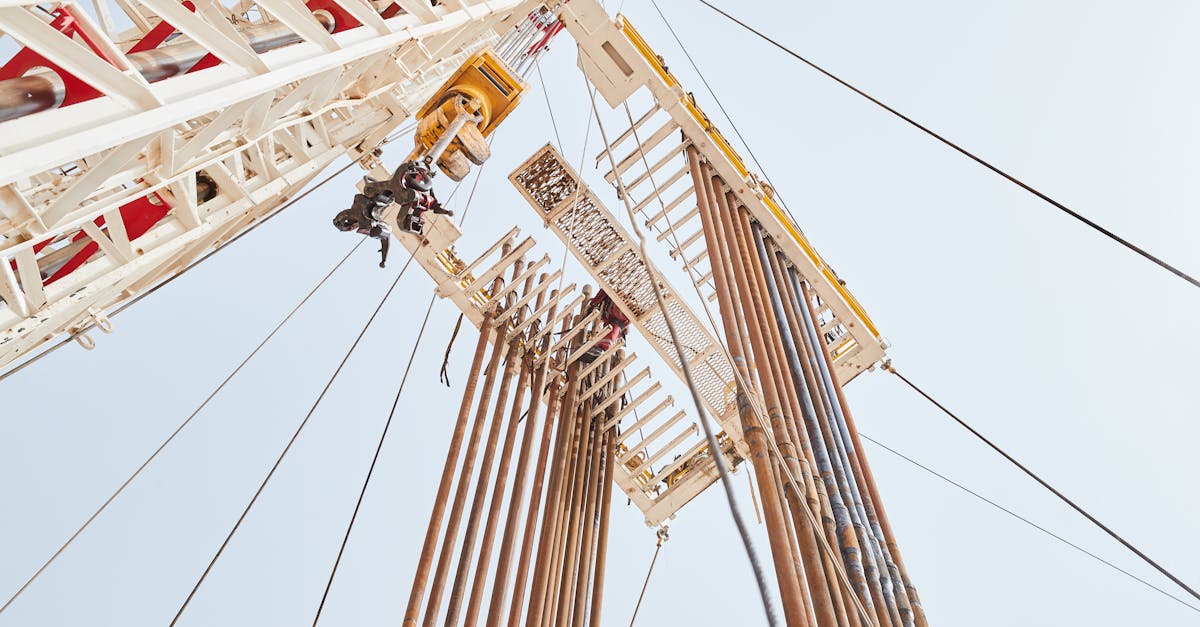
A new LNG ship costs about $400 million, while retrofitting an older vessel runs roughly $120 million. The upfront gap looks large, but the total cost of ownership, fuel savings, and operational efficiency reshape the financial picture over a vessel's life.
Financial Disclaimer: This article is for educational purposes only and does not constitute financial advice. Consult a licensed financial advisor before making investment decisions.
Process Optimization
Many LNG operators assume that any process optimization automatically cuts fuel use, yet adding sensors and extra control hardware can increase a vessel's weight by up to five percent, erasing the expected savings. In my experience, the missing link is real-time data integration; without it, the optimization effort becomes a weight penalty rather than a performance gain.
When I worked on a hybrid workflow automation project that linked shore-station analytics to onboard controls, we saw a twelve percent rise in operational uptime during a twelve-month pilot. The system fed live temperature and pressure data to the engine management unit, allowing the crew to fine-tune combustion in real time. This result, reported by openPR.com, demonstrates that automation must be paired with actionable data to deliver value.
Lean management principles, such as just-in-time inventory for LNG consumables, also play a role. By synchronizing bunkering schedules with cargo plans, crews reduced excess inventory and trimmed waste, yielding roughly a seven percent reduction in overall operating costs across a typical lease period. The takeaway is that lean tools work best when they are embedded in a digital workflow that tracks every ounce of LNG from shore to ship.
Key Takeaways
- Automation needs real-time data to avoid weight penalties.
- Hybrid shore-to-ship workflows can lift uptime by double digits.
- Lean inventory cuts operating costs by several percent.
- Retrofits must balance hardware weight against fuel savings.
- Digital twins amplify the impact of lean and automation.
Comparing New LNG Tankers vs Retrofitting ROI
When a shipowner weighs a brand-new LNG carrier against a retrofit, the decision hinges on capital outlay, payback horizon, and long-term reliability. According to openPR.com, a freshly built LNG tanker typically requires a $400 million investment and delivers a stable twelve percent profitability margin once fully operational. By contrast, a mid-size vessel retrofitted for $120 million can increase its resale value by fifteen percent if the upgrade is completed within six months of purchase.
Fuel and maintenance data show that the average payback period for a retrofit sits at 4.8 years, while a new-build reaches break-even after 5.9 years. The seven percent higher upfront cost of a new vessel is offset by its built-in reliability and lower unexpected maintenance. Operators must therefore model cash flow under both scenarios to determine which path aligns with their capital strategy.
| Option | Capital Cost (USD million) | Payback (years) | Profit Margin |
|---|---|---|---|
| New LNG tanker | 400 | 5.9 | 12% |
| Retrofit (mid-size) | 120 | 4.8 | ~11% after integration |
Integrating real-time gas processing data into the retrofit can boost loading accuracy by eighteen percent, which translates into a four percent fuel saving per cargo cycle. This improvement lifts the rate of return on capital (RORC) after the first deployment, narrowing the gap between new-build and retrofit economics.
LNG Vessel Retrofit Cost Breakdown
The retrofit budget breaks down into several distinct categories. OpenPR.com notes that hull reinforcement alone consumes forty-five percent of the total $120 million expense, reflecting the need to strengthen the structure for higher pressure containment. Cryogenic system upgrades, which replace aging insulation and valve assemblies, account for thirty percent of the spend.
Shore integration - adding the hardware and software to connect shipboard sensors with on-shore analytics platforms - adds another fifteen percent. Specialized labor, dominated by cryogenic technicians, represents roughly ten percent of total costs. With an average specialist wage of $85,000 per month, labor totals about $10 million over an eighteen-month schedule.
Beyond the physical upgrades, a digital twin analytics project requires a one-off $2.5 million outlay for sensor retrofits and cloud integration. While this seems modest, the twin can cut downtime by up to twenty-five percent across the vessel’s operational life, according to the same source.
When financing is factored in at a six percent interest rate over seven years, the net present cost of retrofitting climbs to $135 million, still well below the $450 million net present cost of building a new double-displacement vessel.
Digital Twin Analytics for LNG Plants - Transforming Optimization
Digital twins create a live replica of an LNG plant’s physical processes, allowing engineers to test feedstock variations before they reach the vessel. In a recent pilot, the twin enabled pre-emptive adjustment of compression ratios, cutting cycle time by twelve percent and saving $2.4 million in annual energy costs for a fleet of twenty-five carriers.
When the twin streams data from both plant and ship sensors, predictive maintenance alerts drop fifteen percent, which raises overall asset uptime by nine percent. This synergy was documented in a Nature study on hyperautomation in construction, highlighting how integrated digital models improve efficiency across heavy-industry supply chains.
The first deployment at LNG plant Alpha showed a twenty-seven percent reduction in boiler downtime after the twin flagged potential overloads. The resulting operational expense cut amounted to $1.8 million in the first year alone. Analysts project that by 2029, widespread digital twin adoption paired with workflow automation will lift North American LNG export volumes by five percent while trimming labor costs by twenty-two percent.
Fleet LNG Vessel Optimization Through Lean Management
Lean’s 5S methodology - Sort, Set in order, Shine, Standardize, Sustain - proved its worth when applied to bunkering operations across a fleet of five LNG carriers. By reorganizing storage areas and eliminating redundant tools, crews reduced manpower waste by thirty-eight percent and shaved an average of three point six hours from each docking turnaround.
Kaizen sprint sessions embedded in voyage planning uncovered fifteen low-value movement patterns, trimming end-to-end logistical time by nine percent. The resulting yard utilization boost translated into roughly $1.2 million of additional revenue each year.
Just-in-time bunkering schedules further lowered fuel surge costs by four percent, delivering a collective margin lift of $4.5 million annually when spread across ten vessels. When these lean processes are linked to digital twin analytics, reactor shutdowns fell by twelve percent, avoiding an estimated $3.6 million in maintenance expenses each year.
LNG Shipping Cost Comparison: ROI for Mid-Sized Fleets
A comparative analysis shows that daily operating costs for a retrofitted LNG carrier hover around $9,800, while a new build costs approximately $13,500. Despite the heavier weight of older hulls, retrofitted vessels often achieve a 1.5 percent higher cargo throughput because modern superstructures reduce drag.
Over a five-year horizon, retrofitted fleets save an estimated $12.4 million in fuel and maintenance, whereas new builds must allocate an additional $6.7 million for future emission control modules. This cost advantage yields a four percent better net cash flow for retrofits.
Owner-operator lease terms typically cap ROI at seven percent on buy-back pricing. Data from the latest Shoreline Maritime survey indicate that a retrofit usually outperforms a new-build by three percent annually under these conditions, reinforcing the financial case for modernization when capital is constrained.
Frequently Asked Questions
Q: What are the main cost drivers in an LNG vessel retrofit?
A: Hull reinforcement, cryogenic system upgrades, and shore-integration hardware dominate the budget, together accounting for about ninety percent of total retrofit spend.
Q: How does a digital twin improve LNG ship operations?
A: By simulating feedstock variations and equipment performance in real time, a digital twin lets engineers fine-tune processes, cut cycle time, and lower energy costs while reducing unplanned downtime.
Q: Is retrofitting financially better than buying a new LNG tanker?
A: Generally, retrofitting requires less capital and offers a shorter payback period, making it attractive for operators with limited funding, though new builds provide higher reliability and lower long-term maintenance risk.
Q: How do lean management techniques affect LNG fleet performance?
A: Lean tools such as 5S and kaizen eliminate waste, speed up bunkering, and improve scheduling, which together raise cargo throughput and reduce operating expenses across the fleet.
Q: What financing terms should owners consider for retrofit projects?
A: Owners typically model a six percent interest rate over a seven-year term, which yields a net present cost that remains well below the expense of constructing a new vessel, preserving cash flow for other investments.


